Converting from a manual to an automatic gearbox is a complex process, ranging from $1,000 to $4,000, impacting vehicle functionality and potentially resale value.
Overview of the Conversion Process
The conversion fundamentally involves removing the existing manual transmission, driveshaft, and related components. Subsequently, a compatible automatic gearbox, along with its necessary parts – like a new driveshaft, ECU, and wiring harness – is installed. ECU integration presents a significant challenge, often requiring specialized knowledge. Fluid installation and thorough system bleeding are crucial final steps, ensuring smooth and reliable operation of the newly installed automatic transmission system.
Why Convert? Benefits and Drawbacks
Converting offers increased driving ease, particularly in congested traffic, and can broaden the vehicle’s appeal to a wider range of drivers. However, drawbacks include potential cost – ranging from $2,000 to $10,000 – and a possible decrease in fuel efficiency. Performance enthusiasts may also lament the loss of driver engagement associated with a manual transmission.
Assessing Your Vehicle’s Compatibility
Determining compatibility requires evaluating the vehicle’s make, model, and engine, alongside electrical system needs for a successful automatic transmission integration.
Vehicle Make and Model Considerations
Specific vehicle makes and models significantly influence the feasibility and cost of conversion. Luxury or more expensive cars often present greater challenges and higher expenses. Older vehicles may require extensive ECU modifications for automatic transmission control. Compatibility varies; some models readily accept automatic swaps, while others demand custom fabrication or specialized parts. Thorough research into your specific vehicle is crucial before commencing any conversion work, ensuring parts availability and a smoother installation process.
Engine Compatibility and Modifications
Engine compatibility is paramount; most engines can accommodate an automatic transmission, but modifications may be necessary. Flexplates replace flywheels, and the engine may require a different torque converter. Ensuring the engine’s power output aligns with the automatic gearbox’s specifications is vital. Some engines might need adjustments to the ECU for optimal performance with the new transmission, potentially requiring professional tuning for seamless integration and reliable operation.
Electrical System Requirements
Automatic transmissions demand significant electrical integration. A new ECU is often required to manage the automatic gearbox, necessitating a complete wiring harness overhaul. Sensors for speed, temperature, and throttle position must be connected. Integrating these electronics into an older vehicle’s system can be challenging, potentially requiring professional expertise to avoid compatibility conflicts and ensure proper functionality of the automatic transmission’s controls.
Cost Breakdown: Manual to Automatic Conversion
Conversion costs vary widely, from $2,000 to $10,000+, encompassing transmission, ECU, wiring, labor, and additional components like sensors – a substantial financial undertaking.
Automatic Transmission Costs (New vs. Refurbished)
The automatic transmission represents the largest expense, ranging from $1,500 to $5,000 depending on condition and source. New transmissions offer reliability but come at a premium. Refurbished units provide a cost-effective alternative, though with potential risks regarding longevity. Carefully evaluate mileage, warranty, and the rebuilder’s reputation when considering a refurbished option to balance cost savings with potential future repairs.
ECU and Wiring Harness Expenses
Integrating a modern automatic transmission’s electronics into an older vehicle’s ECU presents a significant challenge and cost. New ECUs can range from $500 to $1,500, while wiring harnesses and necessary connectors add another $300 to $800. Custom wiring and programming may be required, increasing labor costs substantially. Compatibility issues often necessitate specialized expertise for successful integration.
Labor Costs: Professional Installation
Professional installation is crucial for a successful conversion, typically ranging from $1,500 to $4,500, depending on vehicle complexity and shop rates. This covers transmission installation, ECU integration, wiring harness connections, and fluid installation. Expect higher costs for luxury vehicles or those requiring extensive modifications. Skilled technicians ensure proper functionality and prevent future issues.
Additional Component Costs (Sensors, Shifters, etc.)
Beyond the transmission and ECU, budget $300 to $1,000 for essential components. This includes a new gear selector/shifter, speed sensors, transmission mounts, and potentially a modified driveshaft. Wiring connectors, fluid lines, and a transmission cooler may also be necessary. These seemingly small costs accumulate, impacting the overall conversion budget significantly.
Parts Sourcing and Selection
Finding a compatible automatic gearbox, ECU, and wiring harness requires diligent research, ensuring proper fitment and functionality for a successful conversion.
Finding a Compatible Automatic Gearbox
Locating the correct automatic gearbox is paramount; compatibility hinges on your vehicle’s make and model. Options include new transmissions – the most reliable but expensive – or refurbished units offering cost savings. Thoroughly research gear ratios and bellhousing patterns to ensure a proper fit with your engine. Online marketplaces and specialized transmission suppliers are valuable resources, but verifying condition and warranty is crucial before purchasing.
Choosing the Right ECU for Automatic Control
Selecting an appropriate Engine Control Unit (ECU) is vital for seamless automatic transmission operation. Modern automatics require sophisticated electronic control, potentially necessitating a complete ECU replacement. Compatibility with your vehicle’s existing systems is key, and integration can be complex, especially in older cars. Consider standalone ECUs designed for automatic transmission control, ensuring proper sensor input and output for optimal performance.
Sourcing Wiring Harnesses and Connectors
Obtaining the correct wiring harnesses and connectors is crucial, as manual and automatic setups differ significantly. Sourcing a complete harness designed for the automatic transmission is ideal, though modifications to the existing harness may be necessary. Ensure all connectors are compatible and in good condition to avoid electrical issues. Salvage yards and specialized automotive suppliers are valuable resources.
Installation Process: Step-by-Step Guide
The process involves removing the manual transmission, installing the automatic, connecting the ECU and wiring, and finally, carefully installing fluids and bleeding the system.
Removing the Manual Transmission
Begin by disconnecting the driveshaft, shift linkages, and all electrical connections from the manual transmission. Support the engine from above to prevent tilting during removal. Carefully detach the transmission mount and utilize a transmission jack for safe lowering. Drain all transmission fluid before attempting to separate the gearbox from the engine. This step requires patience and attention to detail to avoid damaging surrounding components, ensuring a smooth installation of the automatic alternative.
Installing the Automatic Transmission
Carefully raise the automatic transmission with a transmission jack, aligning it with the engine mounting points. Ensure proper alignment before gently pushing the transmission into place. Secure the transmission mount, and reconnect the driveshaft, being mindful of proper torque specifications. Reattach all electrical connectors, verifying each connection for security. This phase demands precision to guarantee correct operation and prevent future issues.
Connecting the ECU and Wiring Harness
Integrating the new ECU and wiring harness is critical; carefully connect all sensors and actuators to the automatic transmission. This often involves adapting the existing wiring or installing a new harness entirely. Proper ECU programming is essential for seamless communication, addressing potential integration hurdles with older vehicle systems. Double-check all connections for secure fit and correct polarity.
Fluid Installation and System Bleeding
After installing the automatic transmission, fill it with the manufacturer-specified automatic transmission fluid (ATF). Crucially, bleed the system to remove any air bubbles, ensuring smooth shifting and optimal performance. This process may require specific procedures depending on the transmission type. Regularly check fluid levels post-bleeding and monitor for leaks to maintain system integrity.
Potential Challenges and Troubleshooting
Expect ECU integration issues, drivetrain mismatches, and electrical conflicts during conversion; diagnostic tools are vital for resolving these complexities and ensuring proper function.
ECU Integration Issues
Integrating a modern automatic transmission’s electronics into an older, manual car’s ECU presents a significant hurdle. Compatibility conflicts often arise, requiring custom wiring, reprogramming, or even a complete ECU replacement. Successfully bridging this gap demands specialized knowledge and diagnostic equipment to ensure seamless communication between the transmission and the vehicle’s control systems, avoiding performance issues and error codes.
Drivetrain Mismatch Problems
A mismatched drivetrain following the conversion can lead to suboptimal performance and potential damage. The automatic transmission’s torque converter characteristics may differ significantly from the manual’s clutch, affecting gear ratios and overall driving experience. Ensuring compatibility requires careful consideration of the engine’s power output and the transmission’s torque capacity to avoid strain and maintain reliability.
Electrical Compatibility Conflicts
Integrating a modern automatic transmission’s electronics into an older vehicle’s ECU presents significant challenges. Wiring harnesses and connectors may not be directly compatible, requiring custom fabrication or adapter harnesses. Issues can arise with sensor signals, transmission control modules, and vehicle systems, potentially leading to error codes and operational malfunctions needing expert diagnosis.
Legal and Insurance Implications
Vehicle modification regulations vary; conversions must comply with local laws. Inform your insurer, as coverage may change post-conversion due to altered vehicle specifications.
Vehicle Modification Regulations
Converting a manual transmission to automatic necessitates adherence to local vehicle modification regulations, which differ significantly by region. These laws often dictate inspection requirements to ensure safety and emissions standards are met post-conversion. Failing to comply can result in fines or prevent vehicle registration. Thoroughly research your state or country’s specific rules before commencing any work, potentially requiring engineering certification for substantial drivetrain alterations. Documentation of parts and installation is crucial for legal compliance.
Insurance Coverage After Conversion
Post-conversion, informing your insurance provider is vital. A manual-to-automatic swap alters the vehicle’s classification, potentially impacting premiums. Some insurers may view the modification as increasing risk, while others might offer discounts due to enhanced safety features of modern automatics. Non-disclosure could invalidate coverage in the event of an accident. Obtain written confirmation of continued or adjusted coverage reflecting the drivetrain change.
Tools and Equipment Required
Essential tools include hand tools, specialized automotive equipment like transmission jacks, and diagnostic tools for ECU integration and system checks post-conversion.
Essential Hand Tools
A comprehensive set of hand tools is crucial for a successful conversion. This includes socket wrenches, various sizes of sockets, ratchets, and extensions. You’ll also need screwdrivers (Phillips and flathead), pliers, wrenches, and torque wrenches for precise tightening. Don’t forget hammers, punches, and potentially a breaker bar for stubborn bolts. Safety glasses and gloves are paramount throughout the entire process, ensuring personal protection during disassembly and installation.
Specialized Automotive Tools
Beyond standard hand tools, a transmission jack is essential for safely supporting and maneuvering the gearbox. You’ll likely need a flywheel holding tool, and potentially a clutch alignment tool, even when converting to an automatic. Diagnostic scanners are vital for ECU integration. A fluid pump for filling the new transmission, and specialized sockets for the automatic transmission components, will also prove invaluable during the conversion process.
Diagnostic Equipment
Essential for a successful conversion, a high-quality OBD-II scanner is crucial for reading and clearing error codes, particularly during ECU integration. A more advanced scan tool capable of live data streaming aids in identifying potential issues. Multimeters are needed for electrical system checks, and a wiring diagram database specific to your vehicle is highly recommended to ensure correct connections and avoid compatibility conflicts.
DIY vs. Professional Installation
A DIY approach offers cost savings but demands significant mechanical expertise; professional installation ensures accuracy and avoids potential issues with complex ECU integration.
Pros and Cons of DIY Approach
Embarking on a DIY manual-to-automatic conversion presents substantial cost savings, potentially reducing expenses by thousands of dollars, especially regarding labor. However, it necessitates advanced mechanical skills, specialized tools, and a thorough understanding of automotive electrical systems. Incorrect installation can lead to drivetrain mismatch, ECU integration failures, and safety hazards. Furthermore, diagnosing and rectifying issues independently can be time-consuming and frustrating, potentially exceeding the cost of professional assistance if mistakes occur.
Benefits of Professional Expertise
Engaging a professional for a manual-to-automatic conversion guarantees expertise and precision, minimizing the risk of costly errors during installation and ECU integration. Experienced technicians possess the necessary diagnostic equipment and knowledge to address potential drivetrain mismatch or electrical compatibility conflicts effectively. While more expensive upfront – potentially $3,000 to $10,000+ – professional installation offers peace of mind, ensures proper functionality, and often includes a warranty on labor and parts.
Post-Conversion Maintenance
Regular automatic transmission fluid checks and component inspections are crucial post-conversion, alongside prompt troubleshooting of any emerging issues for optimal performance.
Automatic Transmission Fluid Checks
Consistent monitoring of the automatic transmission fluid (ATF) is paramount after conversion. Regularly check the fluid level using the dipstick, ensuring it falls within the recommended range while the engine is warm. Inspect the fluid’s color; it should be bright red and translucent. Dark or burnt-smelling fluid indicates potential issues requiring immediate attention, potentially signaling internal transmission damage or the need for a fluid flush.
Regular Inspection of Components
Post-conversion, routinely inspect all connected components for leaks, damage, or unusual wear. Pay close attention to the transmission mount, cooler lines, and electrical connections. Examine the shift linkage for smooth operation and proper engagement. Address any identified issues promptly to prevent further complications and ensure the longevity of the newly installed automatic transmission system.
Troubleshooting Common Issues
Following a manual-to-automatic conversion, expect potential ECU integration problems or drivetrain mismatches. Electrical compatibility conflicts can also arise, manifesting as erratic shifting or warning lights. Thoroughly diagnose any issues using appropriate diagnostic equipment. Check automatic transmission fluid levels and condition regularly, as fluid issues are a frequent cause of operational problems.
Automatic to Manual Conversion Costs
Reversing the process—automatic to manual—typically costs between $2,000 and $10,000+, depending on the vehicle and chosen components for a complete swap.
Full Conversion Cost Analysis
A full manual-to-automatic conversion involves a complete transmission replacement, significantly impacting the overall cost; Expect expenses ranging from $3,000 to $10,000 or higher, factoring in the automatic gearbox ($1,500-$5,000), ECU integration, and wiring harness modifications. Labor represents a substantial portion, especially for complex electronic integrations in older vehicles. Refurbished transmissions offer cost savings, but new units provide greater reliability. Thorough cost assessment is crucial before commencing this substantial modification.
Component Costs for Automatic to Manual
Reversing the process – automatic to manual – also incurs significant expenses. A manual gearbox itself can range from $800 to $3,000, depending on condition and vehicle. Clutch kits, flywheels, and a new shift linkage add $500-$1,500. ECU reprogramming or a standalone unit is essential ($500-$2,000), alongside wiring harness modifications. Don’t forget the cost of a pedal assembly and potentially a modified driveshaft, contributing to the overall investment.
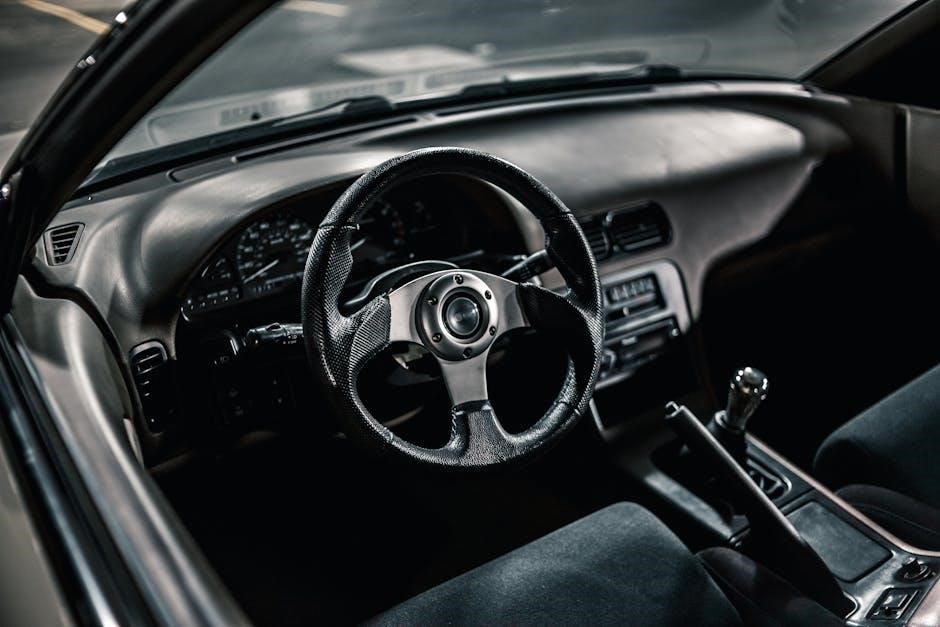
Is the Conversion Worth It?
Evaluating the cost-benefit ratio is crucial; conversions range from $2,000 to $10,000+, impacting resale value and driving experience significantly.
Evaluating the Cost-Benefit Ratio
Determining if a manual-to-automatic conversion is worthwhile demands careful consideration of expenses versus gains. Costs span $2,000-$10,000+, encompassing parts like the gearbox ($1,500-$5,000) and ECU integration. Benefits include enhanced driving comfort, particularly in traffic, and broader driver appeal. However, potential downsides involve decreased fuel efficiency and a possible reduction in resale value, especially for enthusiast vehicles. A thorough assessment of individual needs and vehicle specifics is paramount.
Considering Resale Value
A manual-to-automatic conversion can significantly impact a vehicle’s resale value, often negatively. While broadening the potential buyer pool, it diminishes appeal to driving enthusiasts who specifically seek manual transmissions. The conversion cost rarely translates into a dollar-for-dollar return. Potential buyers may perceive the modification as a compromise, potentially lowering offers. Thoroughly research market trends for your vehicle model before proceeding, understanding the potential financial implications.
Future Trends in Transmission Technology
Advancements in automatic transmissions and the rise of hybrid/electric vehicles are diminishing the need for manual-to-automatic conversions in the long term.
Advancements in Automatic Transmissions
Modern automatic transmissions are increasingly sophisticated, featuring more gears for improved fuel efficiency and smoother shifting. Continuously Variable Transmissions (CVTs) offer seamless ratios, while dual-clutch transmissions (DCTs) provide rapid gear changes akin to manuals. These innovations reduce the performance gap, lessening the appeal of conversions. Electronic controls and adaptive learning algorithms further optimize performance, making automatics more responsive and enjoyable to drive, diminishing the perceived benefits of a manual swap.
The Role of Hybrid and Electric Vehicles
The rise of hybrid and fully electric vehicles significantly impacts the relevance of manual-to-automatic conversions. These vehicles often utilize single-speed gearboxes or sophisticated automated transmissions, eliminating the need for traditional manual shifting. As electric vehicle adoption grows, the demand for manual transmission modifications will likely decrease, focusing instead on EV-specific upgrades and maintenance. This shift alters the automotive landscape, potentially rendering conversions obsolete.