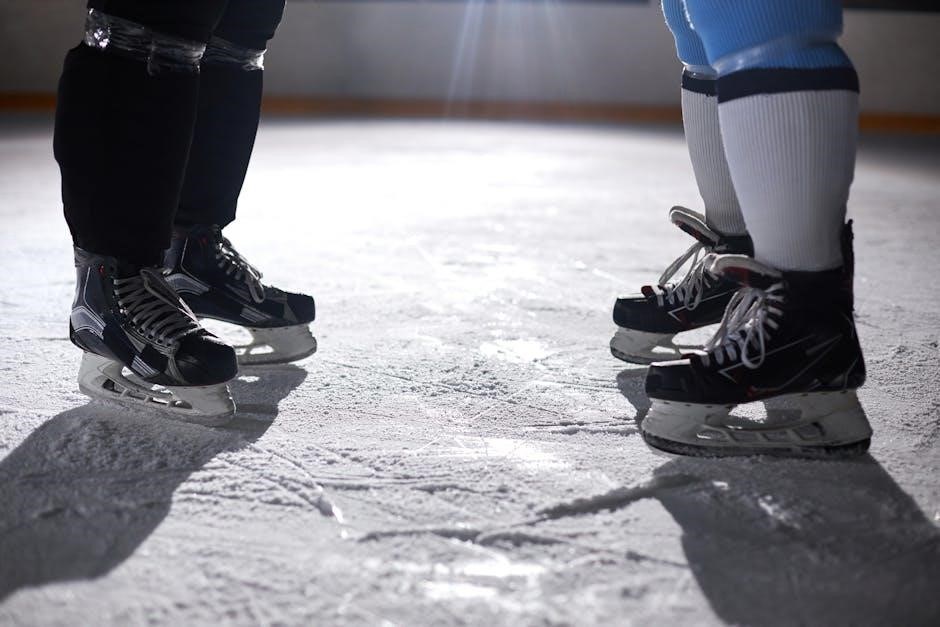
Navigating the world of hockey skates requires understanding proper sizing for optimal performance and comfort.
This guide, drawing from resources like Hockey Monkey and Lenz tools,
will help you find the perfect fit, ensuring enjoyable time on the ice!
Understanding Hockey Skate Sizing
Hockey skate sizing differs significantly from standard shoe sizing, demanding a specialized approach. Unlike casual footwear prioritizing spaciousness, hockey skates require a snug, performance-oriented fit. This close contact maximizes energy transfer and responsiveness, crucial for agility and control on the ice.
Several factors contribute to the complexity of finding the right size. Skate brands often exhibit variations in their sizing molds, meaning a size 8 in one brand might not equate to the same fit in another. Furthermore, the shape of your foot – width, arch height, and overall volume – plays a critical role.
Hockey Monkey emphasizes that a properly fitted skate shouldn’t feel overly tight or loose. There should be minimal heel lift, and your toes should have a comfortable amount of room without excessive wiggle space. Understanding these nuances is the first step towards a successful skate fitting, ensuring both comfort and performance are optimized for your skating experience. Accurate measurement and consideration of these factors are paramount.
Why Proper Skate Fit Matters
A correct skate fit is paramount, extending far beyond mere comfort. Ill-fitting skates directly impact performance, potentially hindering skating stride efficiency and agility. Skates that are too large lead to energy loss through excessive foot movement within the boot, diminishing power transfer and control. Conversely, overly tight skates restrict circulation, causing discomfort, blisters, and even foot injuries.
Properly fitted skates enhance responsiveness, allowing for quicker turns, faster acceleration, and improved overall maneuverability on the ice. A secure fit provides optimal ankle support, reducing the risk of sprains and other injuries. This stability is crucial for absorbing impacts and maintaining balance during dynamic movements.
Investing time in a precise skate fitting isn’t simply about avoiding discomfort; it’s about maximizing your potential as a hockey player. Resources like Hockey Monkey highlight that a well-fitted skate becomes an extension of your foot, enabling you to perform at your best and enjoy the game to the fullest. Ignoring fit can lead to fatigue and decreased performance.
Converting Shoe Size to Skate Size

Converting your regular shoe size to a hockey skate size isn’t a straightforward one-to-one correlation. Hockey skates are typically sized using a different scale, often running 1 to 1.5 sizes smaller than standard shoe sizes. However, this is merely a starting point, as variations exist between brands and skate models.
Generally, a common guideline suggests subtracting 1 to 1.5 sizes from your shoe size to estimate your initial skate size. For example, if you wear a size 9 shoe, you might begin by trying a size 7.5 or 8 skate. Hockey Monkey’s guides emphasize that this is a rough estimate and professional fitting is always recommended.
Furthermore, skate sizing charts (discussed later) provide more specific conversions based on foot length in inches or centimeters; It’s crucial to measure your feet accurately and consult these charts for a more precise starting point. Remember to consider skate width, as this also impacts the overall fit. Don’t rely solely on shoe size; prioritize foot length and width measurements for optimal results.
Hockey Skate Sizing Charts (Men’s)
Men’s hockey skate sizing charts are essential tools for finding the correct fit, as sizes can vary significantly between manufacturers. These charts typically correlate US shoe sizes with corresponding skate sizes, alongside foot length measurements in inches and centimeters. Hockey Monkey and other retailers provide detailed charts for various brands.
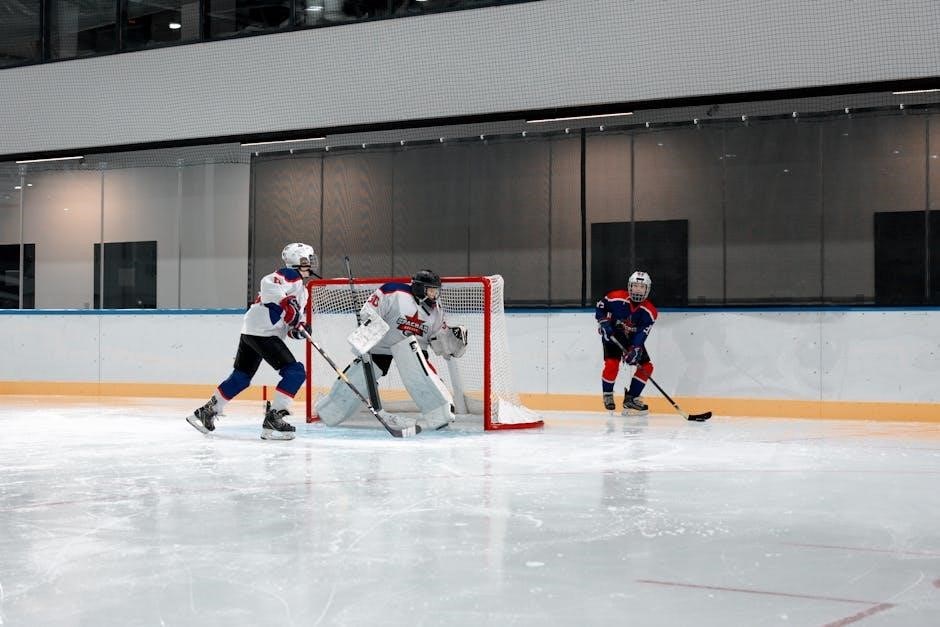
Generally, a US shoe size of 8 equates to a skate size of 7-7.5, while a size 9 shoe often corresponds to a skate size of 8-8.5. However, these are averages. Crucially, foot length is a more reliable indicator. A foot measuring 10 inches might fit into a size 8 skate, while a 10.5-inch foot may require a size 8.5 or 9.
Always refer to the specific sizing chart for the skate brand you are considering. Bauer, CCM, and True all have unique sizing profiles. Charts often include width recommendations alongside length. Utilizing these charts, combined with accurate foot measurements, significantly increases the likelihood of selecting the correct skate size for optimal performance and comfort.
Hockey Skate Sizing Charts (Women’s)
Women’s hockey skate sizing differs from men’s due to the generally narrower foot shape. Charts specifically designed for women’s feet are vital for an accurate fit. Hockey Monkey and similar retailers offer these specialized charts, correlating US women’s shoe sizes with corresponding skate sizes, and providing foot length measurements in both inches and centimeters.
Typically, a US women’s shoe size of 7 equates to a skate size of 5-5.5, while a size 8 shoe often corresponds to a skate size of 6-6.5. However, relying solely on shoe size can be misleading. Foot length is a more precise measurement. A 9-inch foot might fit a size 6 skate, while a 9.5-inch foot may need a 6.5 or 7.
It’s important to note that women’s skates often have a smaller volume overall. Bauer, CCM, and True all offer women’s specific models with tailored sizing. Always consult the brand’s individual chart. Considering foot width alongside length is crucial for optimal comfort and performance on the ice.
Hockey Skate Sizing Charts (Youth)
Youth hockey skate sizing presents unique challenges due to rapidly growing feet. Accurate measurement is paramount, as a poor fit can hinder development and enjoyment of the sport. Hockey Monkey provides youth skate sizing charts linking US youth shoe sizes to skate sizes, often ranging from a youth 10 to a youth 13.5.
Unlike adult sizing, youth skate sizes don’t directly correlate to adult sizes. A youth 6, for example, isn’t the same as an adult 6. Foot length in inches is the most reliable metric. A 7-inch foot typically fits a youth 1, while an 8-inch foot may require a youth 2 or 2.5.
Growth allowance is a key consideration. While a snug fit is desired, avoid sizing too small, restricting circulation. A small amount of toe room (approximately thumb’s width) is recommended. CCM and Bauer offer youth-specific models designed for developing feet. Regularly check your child’s skate fit, as growth spurts are common. Prioritize comfort and proper support.
Measuring Your Feet for Hockey Skates
Accurate foot measurement is the cornerstone of proper hockey skate fit. Begin by tracing your foot on a piece of paper while standing with your weight evenly distributed. Measure the length from the heel to the longest toe in both feet – discrepancies are common! Use a ruler or measuring tape, noting the measurement in inches or centimeters.
Measure later in the day, as feet tend to swell throughout the day. Wear the socks you intend to wear with your skates during measurement. Repeat the process two or three times to ensure accuracy. Don’t simply rely on your usual shoe size, as skate sizing differs significantly.
Consider foot width alongside length. Some brands offer skates in various widths (e.g., narrow, medium, wide). Hockey Monkey emphasizes the importance of width for comfort and performance. If you’re between sizes, it’s generally recommended to size up, especially if you have wider feet. A Brannock device, found in many shoe stores, provides a more precise measurement.
Width Considerations in Hockey Skate Sizing
Foot width is a critical, often overlooked, aspect of hockey skate fit. Skates aren’t one-size-fits-all; they come in varying widths – typically denoted as Narrow (N), Medium (M), Wide (W), and sometimes Extra Wide (EW). Ignoring width can lead to discomfort, blisters, and reduced performance.
Determining your width involves assessing the shape of your foot. A narrow foot will feel constricted in a medium-width skate, while a wide foot will experience pressure points. Hockey Monkey highlights that proper width allows for optimal power transfer and agility. If you’re unsure, consider visiting a professional skate fitter.
Some brands cater to different foot widths more effectively than others. Researching brand-specific fit characteristics is beneficial. Heat molding (discussed elsewhere) can offer some adjustment, but it’s limited. Prioritizing width alongside length ensures a comfortable and supportive skate fit, maximizing your enjoyment and performance on the ice. Don’t compromise on width for length alone!
Understanding Skate Shell Fit (Anatomical vs. Traditional)
Hockey skate shells broadly fall into two categories: anatomical and traditional. Traditional skates generally feature a more tapered shape, offering a snug, close fit, particularly around the heel and ankle. They often require more break-in time to conform to the foot’s shape. These are favored by players seeking maximum responsiveness and a direct connection to the ice.
Anatomical skates, conversely, boast a more contoured, pre-shaped shell designed to mirror the natural shape of the foot. This design aims for a more comfortable, out-of-the-box fit, reducing break-in time. They often provide more room in the toe box and offer a greater range of motion.
The choice between anatomical and traditional depends on foot shape and personal preference. Players with wider feet or those prioritizing comfort may lean towards anatomical designs. Those seeking a highly responsive, performance-oriented fit might prefer traditional shells. Understanding these differences is crucial for selecting the right skate.
Heat Molding Hockey Skates
Heat molding is a crucial process for customizing the fit of many modern hockey skates. This involves gently warming the skate shell – typically using a dedicated skate oven – to make the material more pliable. This allows the skate to conform more precisely to the unique contours of your foot, enhancing comfort and performance.
Professional skate fitting services often include heat molding as a standard procedure. However, some skates can be heat molded at home with caution, following the manufacturer’s specific instructions. Incorrect heat molding can damage the skate, so adherence to guidelines is vital.
The process typically involves wearing the skates while they cool, ensuring a personalized fit. Heat molding can address areas of discomfort, improve heel lock, and minimize pressure points. It’s particularly beneficial for skates with thermoformable materials. Remember, even after molding, adjustments with footbeds and lacing techniques can further refine the fit.
Common Skate Fit Problems and Solutions
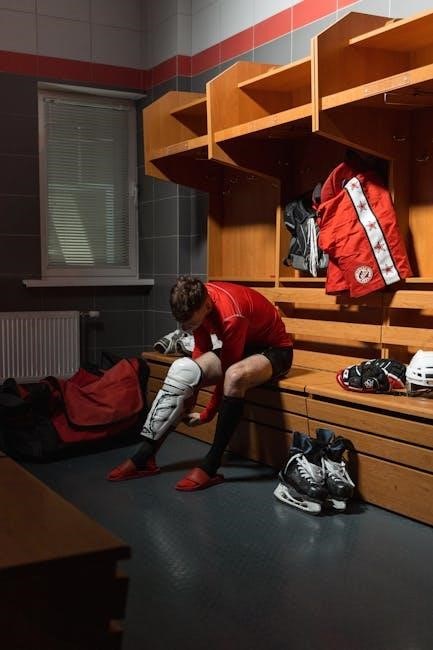
Several common issues arise when hockey skates don’t fit correctly. Toe bang, or hitting your toes against the front of the skate, often indicates a skate that’s too small or improperly laced. Heel lift, where your heel rises with each stride, suggests insufficient ankle support or a skate that’s too large.
Pressure points, causing discomfort on the sides or top of the foot, can be addressed with heat molding or customized footbeds. Narrow feet may require skates with a lower volume or the addition of tongue pads. Wide feet benefit from skates with a wider width or heat molding to stretch the shell.
Solutions include experimenting with different lacing techniques, utilizing thinner or thicker socks, and consulting a professional skate fitter. Custom footbeds provide personalized support and can alleviate many fit issues. Addressing these problems promptly prevents blisters, pain, and reduced performance on the ice.
Toe Box Fit and Comfort
The toe box is crucial for comfort and performance in hockey skates. Ideally, you should have a small amount of space – roughly the width of your thumb – between your longest toe and the end of the skate. Too much space leads to heel lift and reduced control, while too little space causes painful toe banging and blisters.
A properly fitted toe box allows for natural toe flexion, enabling powerful strides and efficient energy transfer. Skate shell shape significantly impacts toe box fit; anatomical shapes generally offer more room than traditional designs. Heat molding can customize the toe box to your foot’s unique contours, improving comfort and reducing pressure points.
Consider your sock thickness when assessing toe box fit. Thicker game socks will reduce available space. Pay attention to the width of your forefoot; a narrow toe box can constrict circulation and cause discomfort. Prioritizing a comfortable and well-fitting toe box is essential for maximizing performance and enjoying your time on the ice.
Ankle Support and Skate Fit
Robust ankle support is paramount in hockey skates, directly impacting stability and injury prevention. A secure fit around the ankle minimizes unwanted movement, enhancing responsiveness and control during skating. Insufficient support can lead to ankle rolls and other injuries, hindering performance and potentially causing long-term damage.
Proper skate fit is the foundation of good ankle support. The skate should hug the ankle snugly, without being overly tight or causing discomfort. Lacing techniques play a vital role; ensuring the lower laces are firm and the upper laces provide a secure hold is crucial. Heat molding can further customize the ankle area, conforming to the unique shape of your ankle for a personalized fit.
Consider the skate’s construction; higher-cut skates generally offer more ankle support than lower-cut models. Pay attention to padding in the ankle area; adequate padding enhances comfort and provides additional support. A well-supported ankle allows for confident strides and agile maneuvers on the ice.
Skate Sizing for Different Foot Shapes
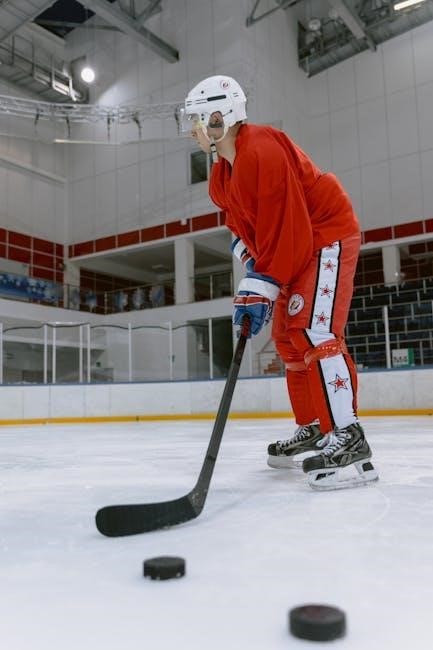
Foot shape significantly influences the ideal hockey skate fit. Not all feet are created equal, and a size that works for one person may not suit another. Common foot shapes include narrow, wide, high-volume, and low-volume, each requiring specific considerations when selecting skates.
Individuals with narrow feet often benefit from skates with a lower volume and a snug fit. Wider feet, conversely, require skates with a wider toe box and overall width to avoid pinching and discomfort. High-volume feet (thickness) may need skates with more adjustable features to accommodate the extra volume, while low-volume feet may require additional padding or a tighter lacing system.
Heat molding is particularly valuable for adapting skates to unique foot shapes. Consider skate brands known for catering to specific foot types. Trying on multiple brands and models is essential to find the best match for your individual foot shape, ensuring optimal comfort and performance on the ice. Don’t settle for a “close enough” fit!
Professional Skate Fitting Services
Investing in a professional skate fitting is arguably the most crucial step in acquiring the right hockey skates. Experienced fitters possess the expertise to accurately assess your foot dimensions, shape, and biomechanics, going far beyond a simple shoe size conversion. They utilize specialized tools, like Brannock devices and foot scanners, to obtain precise measurements.
A skilled fitter will observe your gait and analyze your skating style to recommend skates that complement your movements. They can identify potential problem areas, such as bunions or high arches, and suggest modifications or skate models that address these concerns. Heat molding is often performed during a professional fitting, customizing the skate shell to your foot’s unique contours.
Reputable hockey retailers, like Hockey Monkey, often offer these services. Don’t hesitate to seek their guidance, especially if you’re a beginner or experiencing persistent skate fit issues. A proper fit minimizes discomfort, prevents injuries, and maximizes your performance on the ice, making the investment worthwhile.
Top Skate Brands and Their Fit Characteristics
Different hockey skate brands cater to varying foot shapes and preferences. Bauer skates are generally known for a wider, more accommodating fit, particularly in the heel and forefoot, making them suitable for players with broader feet. Their models often prioritize comfort and are a popular choice for recreational players.
CCM skates typically offer a narrower, more anatomical fit, hugging the foot closely for enhanced responsiveness and energy transfer. They are favored by players who prioritize performance and a locked-in feel. Warrior skates often fall between Bauer and CCM in terms of fit, offering a versatile option for a range of foot types.
True Hockey is emerging as a brand known for its customizable fit, utilizing heat-moldable technology to create a truly personalized skate. Understanding these brand tendencies is crucial when selecting skates. Always try on multiple brands and models to determine which best suits your individual foot shape and skating style.
Skate Size Adjustments Over Time
Foot size isn’t static; it can change due to growth, weight fluctuations, or even time of day. Regularly reassessing your skate fit is vital, especially for developing players. Youth skaters should have their feet measured every few months, as rapid growth spurts are common. Even adult skaters may experience subtle changes over seasons.
Signs that your skates no longer fit properly include toe jamming, heel lift, or discomfort during and after skating. Minor adjustments, like thicker socks or adding footbeds, can sometimes address slight fit issues. However, significant changes necessitate a re-evaluation of skate size.
Heat molding can provide a more customized fit as your foot changes shape. Don’t hesitate to consult a professional skate fitter for guidance. Ignoring fit issues can lead to blisters, pain, and decreased performance. Proactive adjustments ensure continued comfort and optimal skating experience throughout your hockey journey.
Replacing Your Hockey Skates
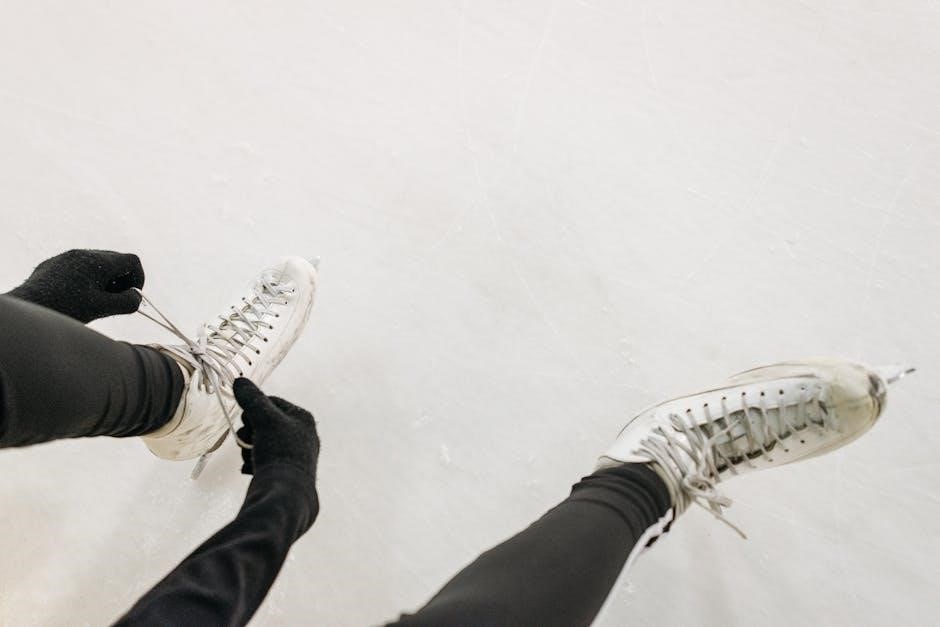
Knowing when to replace your hockey skates is crucial for maintaining performance and preventing injury. Visible signs of wear and tear, such as cracked shells, broken buckles, or severely worn steel, indicate it’s time for a replacement. However, fit issues that can’t be resolved through adjustments are also a key indicator.
Loss of support and responsiveness suggests the skate’s structure has deteriorated. If you consistently experience discomfort, blisters, or numbness, despite proper fitting attempts, a new pair is likely needed. Consider your skill level and playing frequency; more frequent and intense use accelerates wear and tear.
Technological advancements in skate design mean newer models often offer improved performance and comfort. Don’t hesitate to upgrade when new features align with your needs. Proper disposal of old skates is also important; some retailers offer recycling programs. Investing in new skates is an investment in your game and foot health.
Resources for Hockey Skate Sizing
Finding reliable resources is essential for accurate hockey skate sizing. Hockey Monkey (hockeymonkey.com) provides comprehensive guides and charts, detailing conversions and fitting advice. Their blog offers valuable insights into understanding skate anatomy and fit nuances. Monkey Sports Europe also features helpful sizing charts, accessible through their website.
Lenz Tools (lenz.tools) offers a convenient hockey skate to shoe size conversion tool, simplifying the initial sizing process. Yandex image search can visually display sizing charts from various retailers, aiding in comparison. Local hockey shops are invaluable resources, offering professional fitting services and expert advice tailored to your feet.
Manufacturer websites, such as Bauer, CCM, and True, often include specific sizing information for their models. Online forums and communities dedicated to hockey can provide peer-to-peer advice and recommendations. Utilizing a combination of these resources ensures a well-informed decision, leading to a comfortable and performance-enhancing skate fit.
Frequently Asked Questions About Hockey Skate Sizing
Is it better to size up or down in hockey skates? Generally, a snug fit is preferred, often requiring sizing down from your regular shoe size; However, individual foot shapes vary, so professional fitting is recommended.
How much room should be in the toe of a hockey skate? Approximately a thumb’s width of space is ideal, allowing for flex and preventing toe jamming. What if my feet are different sizes? Fit the skate to the larger foot, and consider using an insole to accommodate the smaller foot.
Can hockey skates be stretched? Yes, heat molding and professional stretching can expand the skate shell for a more customized fit. How often should I remeasure my feet? Remeasure annually, as foot size can change over time, especially during growth spurts; Where can I find reliable sizing charts? Resources like Hockey Monkey and manufacturer websites offer comprehensive charts.
What about skate width? Width is crucial; ensure the skate isn’t too narrow or wide for optimal comfort and performance.